
Contents
You get a message that ends in a black heart and spend the next hour wondering if you are loved, dumped, or being ironic. Here is the answer up front: every heart emoji color carries its own meaning. Red is classic love, yellow is friendship, purple is admiration and fandom, black leans edgy or grief-tinged, and white reads pure or sympathetic. The color you pick sets the emotional tone of the whole message.
Heart emoji meanings are not random, and using the wrong one can send a very different signal than you intended. This post breaks down what each color heart means, what the special hearts like the broken and fire hearts signal, and how to pick the right one so your posts and DMs land the way you want.
Heart emoji meanings: the quick answer
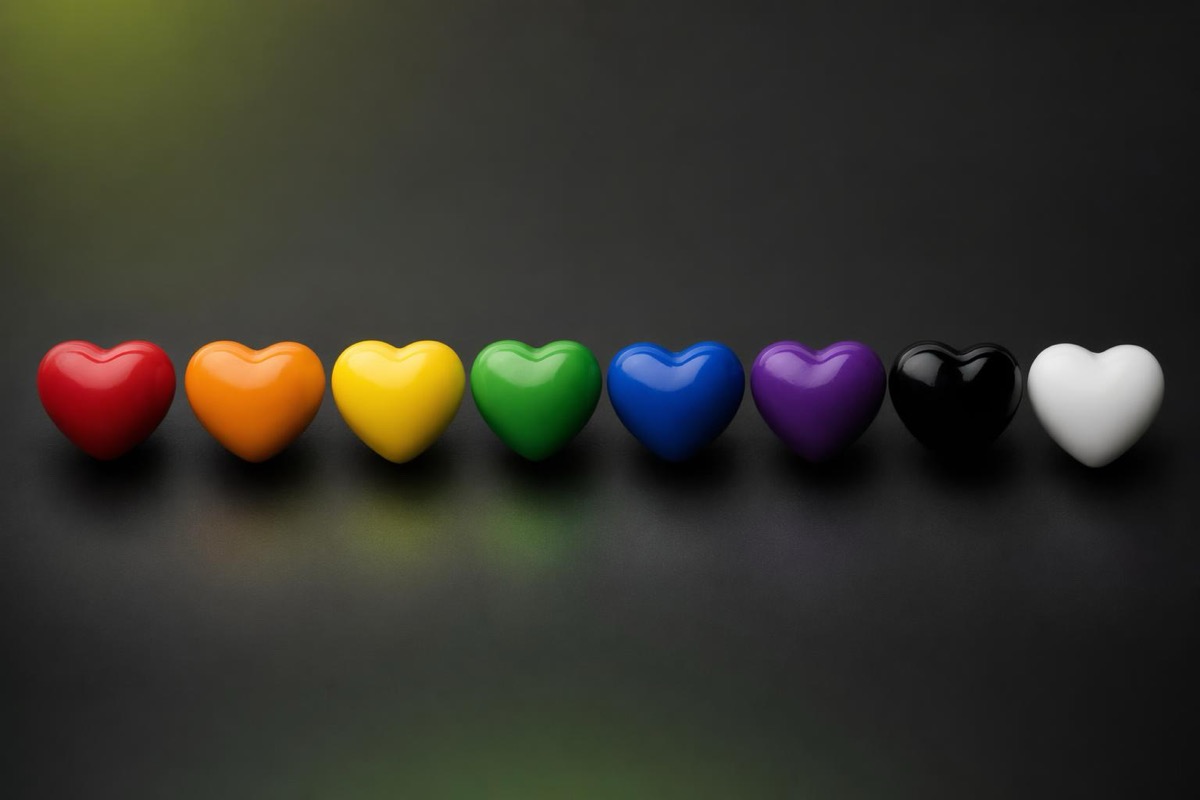
Color is the whole game with hearts. Here is the fast version:
- Red heart: classic love, romance, deep affection.
- Orange heart: care, comfort, warmth, a softer or half-step love.
- Yellow heart: friendship, happiness, sunny positivity.
- Green heart: nature, growth, and lighthearted jealousy or envy.
- Blue heart: trust, loyalty, calm, often platonic or team-based.
- Purple heart: admiration, affection, and fandom, huge in K-pop.
- Black heart: grief, dark humor, edginess, or a sleek aesthetic.
- White heart: pure love, gentleness, and sympathy or remembrance.
The rest of this post goes deeper on each, plus the special hearts you will run into.
The classic red heart and its warm cousins
Red heart (love). The default. It means love, romance, and strong affection, and it is the safest heart when you simply want to show you care. It works for partners, family, close friends, and enthusiastic support of a post.
Orange heart (care and comfort). Warmer than yellow, gentler than red. People use it to show care and support without full romantic weight. It is the "I am here for you" heart, common in comforting or encouraging messages.
Pink hearts (sweet, lighter love). The pink family, including the two hearts, the growing heart, and the sparkling heart, reads as sweet, affectionate, and playful. Pink says love, but softer and cuter than the intense red. It is popular for crushes, friends, and wholesome posts.
Yellow, green, and blue: friendship, envy, and trust
Yellow heart (friendship). The friendship heart. It signals happiness, warmth, and positivity without romance, which makes it the go-to for friends. Snapchat cemented this by using a yellow heart for best-friend status, so many people read it as pure platonic affection.
Green heart (nature and jealousy). Green pulls in two directions. It can mean nature, growth, health, or environmental support, and it also carries a playful nod to jealousy or envy, echoing the "green with envy" idiom. Context decides which. It also shows up for anything matcha, plant, or eco themed.
Blue heart (trust and loyalty). Blue reads as calm, steady, and loyal. It often signals platonic love, trust, or team spirit, and you will see it a lot in sports and community contexts where people rep a color. It is a safe, low-drama heart for friends and supporters.
Purple, black, and white: fandom, edge, and purity
Purple heart (admiration and fandom). Purple signals admiration, affection, and devotion. It is enormous in K-pop, where it means love and support for an artist, thanks partly to BTS culture. More broadly it can suggest compassion, sensitivity, or a hint of luxury. It reads warmer and more committed than a plain red in many online circles.
Black heart (grief, edge, or cool). The black heart is the moody one. It commonly signals dark humor, sarcasm, grief, or a sleek minimalist aesthetic. It can mark sorrow and mourning, or it can just be an understated, cool way for close friends to show affection without the softness of red.
White heart (purity and sympathy). White tends to mean pure, gentle, or minimalist love. It also appears often in messages of sympathy and remembrance, so you will see it around loss and condolences. Its clean look makes it a favorite for calm, aesthetic, and heartfelt posts.
Brown and grey hearts. Newer additions round out the set. Brown can signal support and warmth or represent things that are literally brown, like coffee and chocolate. Grey reads as neutral, muted, or understated emotion.
Special hearts: broken, fire, mending, and more
Beyond colors, several hearts carry specific meanings you should know:
| Heart | Common meaning |
|---|---|
| Broken heart | Heartbreak, sadness, disappointment |
| Heart on fire | Intense passion, burning love, or lust |
| Mending heart | Healing after hurt, recovery, self-care |
| Heart with arrow | Falling in love, being struck by a crush |
| Heart with ribbon | Love given as a gift |
| Two hearts | Sweet, mutual affection |
| Sparkling heart | Excitement, glittery joy, extra love |
| Beating heart | Strong emotion, a racing heart, anticipation |
Quick test: color hearts set the tone, and these special hearts add a specific action or state, like breaking, healing, or gifting. Reading both together tells you exactly what someone feels.
How to pick the right heart emoji
The color you choose changes the message, so a little intention goes a long way. A few guidelines:
- Match the relationship. Red for romance, yellow for friends, blue for teammates and platonic support. Sending a red heart to a coworker can read as too intimate.
- Mind the platform culture. Purple carries fandom weight, yellow carries best-friend weight from Snapchat, and blue reads team-spirit in sports spaces. The same heart can mean slightly different things in different communities.
- Use black and white carefully. Both can mean affection or grief depending on context. If the moment is serious, a white heart reads as sympathy. In a joke thread, black reads as dark humor.
- Keep brand posts warm but neutral. For a business account, red, yellow, and orange are friendly and safe. Save the more loaded colors for when the tone clearly fits.
The one rule: the heart is not just decoration, it is the tone. Pick the color that matches the feeling you actually want to send. Emoji fluency like this is part of reading X well overall, the same way smiley face emoji meanings decode the difference between a warm smile and a passive-aggressive one, and knowing what DM means keeps your private messaging sharp.
Frequently asked questions
What do the different color heart emojis mean?
Each color heart carries its own tone. Red is classic love and romance, yellow is friendship and happiness, purple is admiration and fandom, green is nature and lighthearted jealousy, blue is trust and loyalty, orange is care and comfort, black is grief or edgy humor, and white is pure or sympathetic love. Color choice sets the emotional register.
What does the black heart emoji mean?
The black heart emoji usually signals dark humor, edginess, grief, or a moody aesthetic. People use it to show sorrow, sarcasm, or a sleek minimalist vibe. Among close friends it can just be a cool, low-key way to show affection without the softness of a red heart.
What does the white heart emoji mean?
The white heart emoji tends to mean pure, gentle, or minimalist love. It also commonly appears in messages of sympathy and remembrance, so it shows up around loss and condolences. Its clean, understated look makes it popular for calm, aesthetic, or heartfelt posts.
What does the yellow heart emoji mean?
The yellow heart emoji stands for friendship, happiness, and warmth without romance. It is the go-to heart for friends and positive, sunny energy. On Snapchat it also marks a best-friend status, which reinforced its meaning as the friendship heart.
What does the purple heart emoji mean?
The purple heart emoji signals admiration, affection, and often fandom, especially in K-pop communities where it means love and support for an artist. More broadly it can suggest compassion, sensitivity, or a touch of luxury. It reads warmer and more devoted than a plain red heart in many online circles.
Put the right heart on your posts
Heart emoji meanings come down to color and shape: red for love, yellow for friendship, purple for admiration and fandom, black for edge or grief, white for purity and sympathy, plus special hearts that add actions like breaking, healing, and gifting. Pick the one that matches the feeling, and your message reads exactly as you meant it.
And if you post on X to reach customers, the same care that goes into an emoji should go into your outreach. XAutoDM paces and personalizes your X cold DMs so they land warm and human in the inbox, follows up automatically until someone replies, and tracks every conversation to a booked call. Start on the free plan, 1 account, no card required.





Your next customer is already on X.
Find the people talking about what you sell, message them on a safe schedule, and turn the replies into booked calls.
- Scrape leads from any tweet, keyword or X List
- Auto-DM new followers and people who engage
- Follow-ups that stop the moment someone replies
- Safe daily limits and warm-up, built in
- Every reply tracked through to a booked call
Free Test plan · no credit card.
Related posts


Ready to automate your Twitter DMs?
Start sending personalized DM campaigns to your target audience today. Get higher response rates and more leads than cold emails.