
Contents
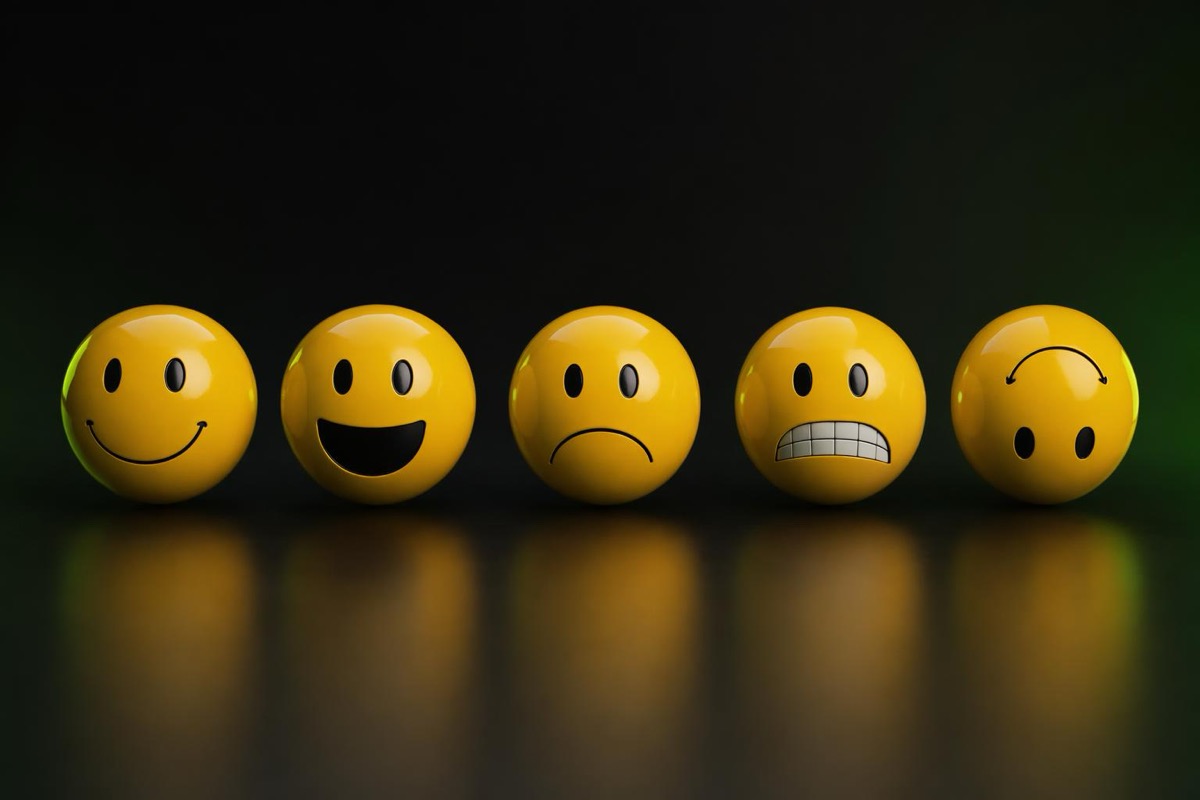
You send a plain "sounds good 🙂" and your friend asks why you are mad. Here is the answer up front: not every smiley face emoji is actually friendly. Some read as genuine warmth, some as nervous laughter, and some, like the slightly smiling face, often land as sarcastic or passive-aggressive even when you did not mean it that way.
Smiley face emoji meanings depend heavily on which exact smile you pick and the context around it. This post breaks down what each common smiley really signals, why the plain 🙂 became internet code for gritted-teeth politeness, and how to choose the right one so you sound the way you intend.
Smiley face emoji meanings: the quick answer
The smiling emojis form a spectrum from sincere to sarcastic:
- Smiling face with smiling eyes 😊 (blushing): genuine warmth, gratitude, contentment.
- Grinning faces 😀 😃 😄: open, happy, friendly energy.
- Beaming face 😁: proud, excited, delighted.
- Grinning squinting 😆: big laughter, something is very funny.
- Grinning with sweat 😅: nervous laughter, relief, an awkward "phew."
- Slightly smiling face 🙂: small, polite, and often read as forced or passive-aggressive.
- Upside-down face 🙃: sarcasm, irony, silliness, resigned "it is fine."
- Smiling with tear 🥲: bittersweet, happy and sad at once.
The exact eyes and mouth change everything, so the sections below unpack the ones people misread most.
The sincere smiles
Smiling face with smiling eyes 😊. This is the warm one. The rosy cheeks and curved, smiling eyes read as genuine kindness, gratitude, and contentment. When you want to sound friendly with zero hidden edge, this is the safest smiley you can send. It is soft, sincere, and hard to misread.
Grinning faces 😀 😃 😄. Open-mouth grins with regular or smiling eyes signal straightforward happiness and friendliness. They are cheerful and easygoing, good for enthusiastic replies and positive news. The more the eyes smile, the warmer it reads.
Beaming face with smiling eyes 😁. A big toothy grin. It reads as proud, excited, or delighted, the face of good news and genuine enthusiasm. It can also carry a slightly cheeky, up-to-something energy depending on context.
The nervous and bittersweet smiles
Grinning face with sweat 😅. The single sweat drop is the tell. This one means nervous or awkward laughter, relief after a close call, or a self-conscious "that was a bit much." It softens a message and admits a little discomfort, which makes it feel human and disarming.
Smiling face with tear 🥲. A smile with a single tear. It captures bittersweet emotion, being happy and a little sad at the same time, or holding it together through something touching. People use it for proud-but-emotional moments and gentle, wistful humor.
Upside-down face 🙃. One of the most useful modern emojis. Turned on its head, it signals sarcasm, irony, silliness, or a resigned "everything is fine" when it clearly is not. It softens complaints and marks jokes, so it rarely means literal happiness. It almost always carries a knowing, not-quite-serious wink.
The tricky one: the slightly smiling face 🙂
The slightly smiling face deserves its own section, because it causes the most confusion. Literally it is a small, closed-mouth, polite smile. Online, though, it picked up a heavy second meaning: forced, passive-aggressive, or resigned. It became shorthand for smiling through gritted teeth, the emoji equivalent of "great. just great."
Why did such an innocent face turn ominous? Because it is so restrained. Next to big warm grins, a tiny flat smile reads as holding something back, so people started using it ironically to signal quiet frustration or fake calm. "Sure, I will redo the whole thing 🙂" is the classic passive-aggressive shape.
That said, it is not always negative. Plenty of people, especially outside the most online circles, still use 🙂 as a plain, sincere small smile. The meaning depends entirely on who sent it and what the message says. If your boss uses it warmly all the time, do not read doom into it. If a friend who normally sends 😊 suddenly switches to 🙂 mid-argument, that switch is the message. This kind of tone-reading is exactly why context matters so much with emoji, the same way heart emoji meanings shift entirely based on color.
Smiley emoji cheat sheet
A quick reference for the smiles people mix up most:
| Emoji | What it usually means | Use it when |
|---|---|---|
| 😊 | Genuine warmth, gratitude | You want to sound sincerely kind |
| 😀 😄 | Happy, friendly | You are cheerful and open |
| 😁 | Proud, excited | You have good news |
| 😅 | Nervous or relieved laughter | Something was awkward or a close call |
| 🙂 | Small smile, often forced | Carefully, it can read passive-aggressive |
| 🙃 | Sarcasm, irony, silliness | You are joking or resigned |
| 🥲 | Bittersweet, touched | You are happy and a little emotional |
Quick test: warm eyes and open mouths read sincere, while flat mouths and flipped faces read ironic. When in doubt for a friendly message, 😊 is the low-risk choice.
How to use smiley emojis without sending mixed signals
The wrong smiley can flip your whole tone, so a little care pays off, especially in messages that matter like outreach and work chats. A few guidelines:
- Default to 😊 for warmth. When you want to sound genuinely friendly, the blushing smile is the safest pick. It rarely gets misread.
- Be careful with 🙂. In any message that could be tense, the plain slightly smiling face risks reading as passive-aggressive. Swap in 😊 or 😀 if you mean it sincerely.
- Use 🙃 to mark jokes. When you are being sarcastic and do not want to be taken literally, the upside-down face is a clear signal that you are kidding.
- Match the other person's energy. If someone sends warm, open emojis, mirror them. Escalating to a flat 🙂 mid-conversation reads as pulling back.
- Keep business messages simple. In cold outreach and professional DMs, one warm, unambiguous emoji beats a pile of them. A clean, human message with a single 😊 reads friendlier than a wall of mixed smileys. If you are still learning the etiquette of private messaging, our guide to what DM means and how to use it covers the basics.
The one rule: pick the smile that matches your actual tone, and when a message could be misread, choose the warmer, more obvious face. If you write posts and DMs to reach customers, this small habit keeps your outreach sounding human instead of stiff, and a free social content idea generator can help you plan posts that already carry the right tone.
Frequently asked questions
What do the smiley face emojis mean?
Smiley faces range from genuinely warm to quietly sarcastic. The blushing smiling face reads as sincere warmth, big grins read as joy and excitement, the sweat smile signals nervous or relieved laughter, the upside-down face means sarcasm or irony, and the plain slightly smiling face often reads as forced, passive-aggressive, or unimpressed depending on context.
What does the slightly smiling face 🙂 mean?
The slightly smiling face is the most context-dependent smiley. Literally it is a small, polite smile, but online it is frequently read as passive-aggressive, forced, or resigned, as in a smile through gritted teeth. Among some people it is still sincere, so tone and relationship decide how it lands.
What does the upside-down smiley 🙃 mean?
The upside-down face usually signals sarcasm, irony, silliness, or a resigned it-is-fine kind of humor. People use it to soften a complaint, mark a joke, or express awkward self-deprecation. It rarely means literal happiness and almost always carries a wink of not-quite-serious energy.
What does the blushing smiley 😊 mean?
The smiling face with smiling eyes and rosy cheeks reads as genuine warmth, gratitude, and contentment. It is one of the most sincere positive emojis, so it is a safe choice when you want to sound friendly and kind without any hidden edge.
Is the slightly smiling face passive-aggressive?
It often is, online. Because it is such a small, restrained smile, many people read the slightly smiling face as forced or passive-aggressive, like smiling to hide annoyance. It is not always meant that way, so consider who sent it and what the message says before assuming the worst.
Send the smile you actually mean
Smiley face emoji meanings run from sincere to sarcastic: 😊 is genuine warmth, the grins are happy and open, 😅 is nervous laughter, 🙃 is irony, and the plain 🙂 often reads as forced or passive-aggressive. Pick the face that matches your real tone, and when a message could go either way, choose the warmer, clearer one.
And if X is where you find customers, that same tone-awareness is what makes outreach work. XAutoDM paces and personalizes your X cold DMs so they read warm and human, follows up automatically until someone replies, and tracks every conversation to a booked call. Start on the free plan, 1 account, no card required.





Your next customer is already on X.
Find the people talking about what you sell, message them on a safe schedule, and turn the replies into booked calls.
- Scrape leads from any tweet, keyword or X List
- Auto-DM new followers and people who engage
- Follow-ups that stop the moment someone replies
- Safe daily limits and warm-up, built in
- Every reply tracked through to a booked call
Free Test plan · no credit card.
Related posts
Ready to automate your Twitter DMs?
Start sending personalized DM campaigns to your target audience today. Get higher response rates and more leads than cold emails.