
Contents
There’s a kind of magic in watching a tweet go viral. One minute it’s just sitting there—maybe a few likes, a reply or two. The next thing you know, your phone’s blowing up. New followers. Retweets from people you’ve never heard of. Notifications coming in faster than you can read them.
But is that magic really... magic?
Not quite. Sure, sometimes virality feels random, but more often than not, there’s a rhythm to it. A formula. A real strategy behind what makes a tweet hit that elusive twitter viral moment. And once you spot it, you can’t unsee it.
So, What Is “Twitter Viral,” Anyway?
Let’s be real—most tweets do fine if they get a little love from your usual crowd. But a tweet that goes twitter viral? That’s something else entirely. It breaks out of your bubble. People far outside your network start seeing it. Engaging with it. Sharing it.
Virality means you’ve sparked something—emotion, curiosity, laughter, maybe even debate. And Twitter’s algorithm notices that spark pretty fast. Once it picks up on the fact that people are interacting quickly, it starts giving that post a little more runway.
More impressions. More reach. More opportunities for it to snowball into something big.
Why the Algorithm Cares About Speed
Think of the Twitter algorithm like a bouncer at the club. It doesn’t let every post onto the main stage. But when it sees a crowd gathering around your tweet—liking, replying, quoting—it takes notice. That early activity tells Twitter: “Hey, this might be worth showing to more people.”
If you want your post to go twitter viral, those first 10 to 30 minutes after you hit “Tweet” are everything. It’s why so many creators obsess over timing, tone, and delivery. Because if a tweet lands right in that initial window, it has a real shot at catching fire.
What Really Drives a Tweet to Go Viral?

Let’s not overthink it: emotion is the heart of every Twitter viral moment. Whether it’s humour, frustration, inspiration, or just pure “wow,” tweets that trigger emotion spread the fastest.
People don’t just share information. They share a feeling. A well-placed joke. A hot take. A personal story that hits a nerve. These are the things that travel. And the best part? You don’t need a massive following to spark that reaction.
Some of the most viral tweets out there came from accounts with fewer than a thousand followers. It’s not about size—it’s about connection.
First Impressions Count
Imagine scrolling Twitter. You see hundreds of tweets. Which one are you actually going to stop for?
That’s where the first line comes in.
The first few words of a tweet—or the opener to a thread—are the hook. It’s your one chance to get someone to pause, read, and maybe even tap that retweet button. So, whether it’s a question, a surprising stat, or a mini cliffhanger, make it count.
A strong hook can make or break a post. If you’re aiming for a twitter viral hit, spend as much time on that opening as you do on the rest.
The Timing Has to Be Right
Even the most relatable, well-crafted tweet won’t go viral if no one sees it. Timing matters. Generally, weekdays during early mornings or evenings tend to see the most activity. But every audience is different.
What’s more important is relevance. Tweets that tie into real-time conversations—like trending topics, news stories, or cultural moments—naturally perform better. If people are already talking about something, your tweet has a built-in audience.
That kind of contextual timing can be the final push your tweet needs to go twitter viral.
Don’t Ignore the Visual Side
Twitter may be a text-heavy platform, but visuals matter more than ever.
Tweets with images, videos, or even a funny meme get more engagement. That’s not just a hunch—it’s a data-backed reality. People are visual creatures. A strong image adds weight to your words. It catches the eye, creates emotion, and increases the chances that someone shares it.
If your tweet has the potential to go twitter viral, a relevant visual can supercharge its reach.
Staying Consistent (Without Losing Your Mind)
Here’s the unglamorous truth about going viral: it’s unpredictable. But the people who go viral most often? They tweet regularly. They test ideas,they show up.
That consistency gives them more chances to stumble into something that catches fire. And if you’re building a business, a personal brand, or even just experimenting, it helps to have systems in place.
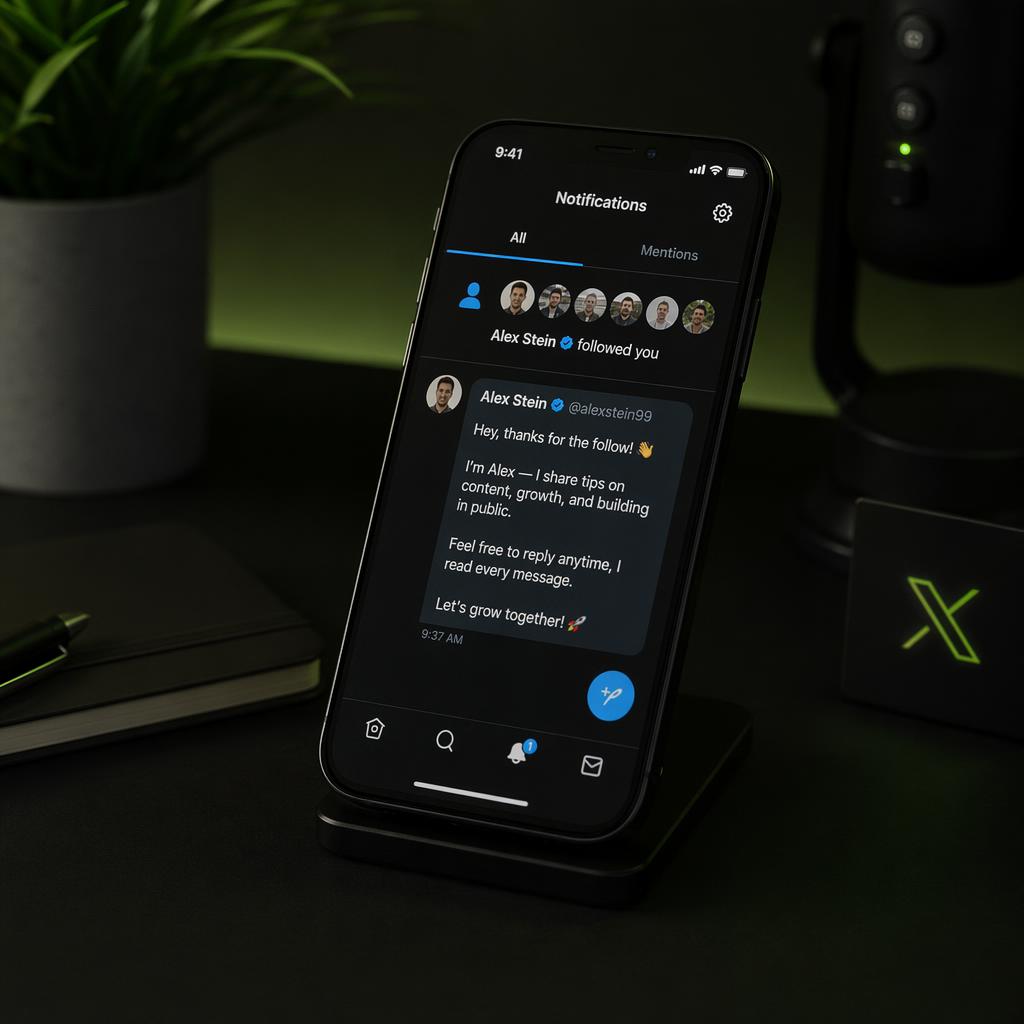
That’s where tools like xAutoDM come in. Automation doesn’t write your tweets for you. But it does help you stay active, engage faster, and scale your messaging when things start to pop off. While you focus on creating high-quality content, xAutoDM keeps your presence alive and kicking.
It won’t make your tweet go twitter viral, but it can absolutely help you stay in the game long enough to have one that does.
Avoid the Obvious Pitfalls
Let’s talk about what not to do.
If your tweet reads like an ad, people will scroll past. If you’re trying too hard to be controversial without a clear point, it’ll probably fall flat. And if you’re just mimicking what others are doing—without putting your own voice into it—it won’t land.
To go viral, your content needs to feel real. Authenticity is everything. People can spot forced tweets from a mile away.
Instead, focus on saying something meaningful. Be funny. Be relatable. Be honest. The internet’s full of noise. Being real cuts through it.
Want to Go Viral? Learn From the Best
Here’s a fun habit: every time you see a viral tweet in your feed, ask yourself why it worked.
What was the hook? What kind of emotion did it trigger? Was it timely? Did it include media? Who was the audience?
When you start breaking down twitter viral posts like this, you’ll start spotting patterns. You’ll get better at recognizing the difference between a tweet that might go viral… and one that’s almost guaranteed to.
The more you study what works, the better you’ll get at writing tweets that actually land.
Conclusion
Going viral isn’t something you can force, but it’s definitely something you can plan for. When the right message hits the right emotion at the right time—boom. It happens. That’s the moment everyone’s chasing.
But the goal isn’t to go viral once. It’s to create content that has the potential to go viral every time. And that comes from understanding your audience, practising your craft, and showing up with consistency.
And if you need a little help along the way? Tools like xAutoDM can make your life easier by handling the heavy lifting in the background while you focus on writing the next big thing.
Because when that Twitter viral moment comes—and it will—you want to be ready for it.
FAQs
What does it mean for a tweet to go viral?
It means your tweet gets shared widely, reaching far beyond your usual followers. It sparks enough engagement—likes, retweets, replies—that Twitter’s algorithm starts showing it to a much larger audience.
Can you go viral without having a big following?
Yes. Virality isn’t about follower count—it’s about how people react. If your tweet hits the right emotion or moment and gets quick interaction, it can spread no matter how small your audience is.
Do images or videos make a difference?
Definitely. Visuals grab attention in a fast-scrolling feed. A funny meme, a powerful photo, or a short video can boost engagement and help your tweet stand out from the noise.
Does the time you post really matter?
It does. Posting when your audience is active—usually mornings or evenings on weekdays—gives your tweet a better shot at getting seen and interacted with right away, which makes a big difference.





Your next customer is already on X.
Find the people talking about what you sell, message them on a safe schedule, and turn the replies into booked calls.
- Scrape leads from any tweet, keyword or X List
- Auto-DM new followers and people who engage
- Follow-ups that stop the moment someone replies
- Safe daily limits and warm-up, built in
- Every reply tracked through to a booked call
Free Test plan · no credit card.
Related posts


Ready to automate your Twitter DMs?
Start sending personalized DM campaigns to your target audience today. Get higher response rates and more leads than cold emails.