

Contents
Operating a small business requires rapidly acquiring new clients. Picture utilizing Twitter to discover these prospects. Extracting, or automatically gathering information, from Twitter appears beneficial. You might collect details regarding possible clients. This could enhance your market research activities.
The key question persists: Is it ethical to extract data from Twitter? Is it also legal? Automated gathering of data may breach Twitter's terms of service. It might also violate privacy regulations, such as GDPR. This is the European General Data Protection Regulation. Grasping these concerns is essential before commencing scraping. Let's investigate these issues.
Understanding Twitter Scraping
So, what is Twitter scraping anyway? Let's break it down.
What is Twitter Scraping?
Twitter scraping involves the automatic collection of data from Twitter. Consider it akin to employing a unique instrument to replicate information from numerous profiles. This tool can be software that accesses Twitter and collects the information you need. You can utilize APIs (Application Programming Interfaces) or specific scraping tools. APIs serve as authorized data sources, whereas scraping tools access the website directly.
Common Data Points Scraped from Twitter
What type of information can you obtain? Usernames, profiles, posts, follower numbers, and additional details. In what ways can this benefit your business? Envision discovering individuals who post tweets regarding a specific product. You might then contact them. This assists in identifying possible clients.
The Legal Landscape of Twitter Scraping
Is scraping even allowed? Let's look at the rules.
Twitter's Terms of Service: What They Say About Scraping
Twitter has rules, known as Terms of Service. These terms say you can't scrape data without permission. If you break these rules, Twitter might suspend your account. In some cases, they could even take legal action. Check Section 3 of their terms; it has crucial info.
Data Privacy Laws: GDPR, CCPA, and Others
GDPR (in Europe) and CCPA (in California) are data privacy laws. These protect people's personal data. If you scrape Twitter data, these laws may apply. You might need consent from people before using their data. Not following these rules can lead to big fines.
Ethical Considerations of Scraping Twitter
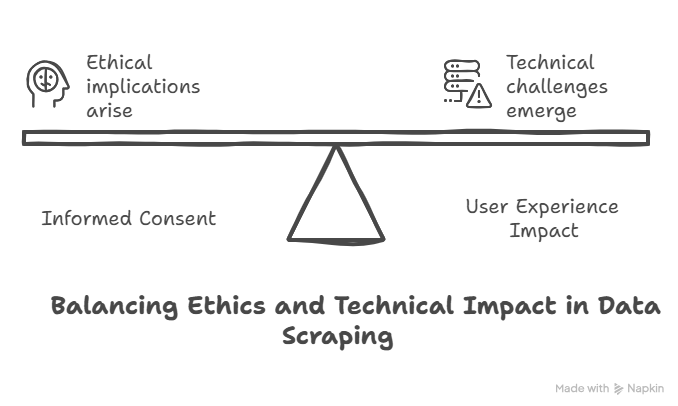
Even if something is legal, is it right? Ethics matter too.
Informed Consent and User Expectations
When you scrape data, you're taking info without asking. Is this fair? Some people think that by posting publicly, you agree to this use. Others believe everyone should give consent first. It's a tricky question.
The Impact on User Experience and Twitter's Infrastructure
Imagine many people scraping Twitter all the time. It could slow down the site for everyone. Excessive scraping can hurt Twitter's servers. This makes the site less enjoyable for regular users.
What operators who get cease-and-desists actually do
The gap between "the data is public" and "no one will object" is where real operators live. In an r/webscraping thread on handling cease-and-desist letters, a founder (u/l300TS) described the honest tension:
"All of the data we scrape is 100% publicly available, so our team is thinking we could technically tell them to pound sand, but we don't want to be assholes. So far we have just complied and removed them."
The most-upvoted practical reply, from u/Azuriteh, landed on a balanced position rather than a slogan:
"I would keep scraping, but you should indeed be seriously looking for legal counsel, at least in the US there's lot of precedent that's on your side ... they'll likely start upping their anti-bot measures if you don't desist."
Two useful lessons for anyone scraping X. Public does not mean unlimited, and the reputational choice to back off when asked is separate from the legal one. And the technical reality bites regardless: push a source too hard and it hardens its defenses against you.
Is Scraping for Leads Worth the Risk?
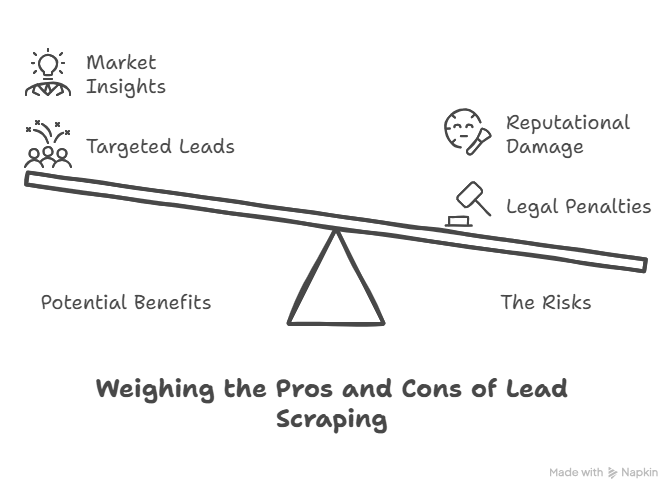
Let's weigh the good and bad parts.
Potential Benefits: Targeted Leads and Market Insights
Scraping can help you find the right people. It can give you clues about what customers want. If you sell coffee, you could find people tweeting about coffee. You can learn their favourite brands. Use this data to improve your marketing.
The Risks: Legal Penalties and Reputational Damage
Breaking the law can cost you money. Twitter can ban your account. Bad press can also hurt your brand. People may see you as untrustworthy if you're caught scraping. This can make it harder to get customers.
Alternatives to Scraping for Lead Generation
What else can you do to find leads? There are better ways.
Utilising Twitter's Built-in Search and Analytics Tools
Twitter has search and analytics tools built in. Use these to find potential customers. These tools help you understand who is talking about what. You can see trends and find the right audience.
Engaging with Users Organically and Building Relationships
Talk to people directly. Share useful content. Build real relationships. This is better than scraping. People trust businesses that connect with them. They are more likely to become customers.
Conclusion
Employing automated techniques to garner leads from Twitter carries certain risks. It could violate Twitter's terms of service. These actions also provoke significant ethical concerns regarding data privacy. Extracting data can harm your firm's reputation. Negative public sentiment can rapidly disseminate online.
The Twitter Lead Generation Tool That Grows Your Business Without Breaking the Rules Our XAutoDM API-powered platform identifies potential customers through their public tweets, engages them with personalized messages, and tracks your success all while respecting Twitter's Terms of Service and user privacy. Starting at just $49/month for up to 500 qualified leads with a 30% average increase in conversions compared to traditional methods.
Based on common "people also ask" questions from Google searches on Twitter scraping, here are some FAQs for your blog on "Scraping Leads from Twitter: Is It Ethical and Legal?":
Frequently Asked Questions
Is it permissible to extract data from Twitter?
No, it is typically not permitted. The Terms of Service for Twitter clearly forbid scraping without obtaining prior authorization. Moreover, data protection regulations such as GDPR and CCPA might be relevant, rendering unauthorized data gathering possibly unlawful in various regions.
Is it possible for Twitter to identify if I am collecting their data?
Indeed, Twitter employs advanced systems to identify unusual access behaviours and automated data extraction. They can recognize IP addresses generating excessive requests, atypical request patterns, and unauthorized access attempts, frequently leading to account suspension.
What options exist besides scraping Twitter for leads?
Utilize Twitter's official API, interact naturally with prospective clients, execute content marketing tactics, employ social listening tools with the appropriate permissions, or launch focused advertising campaigns via Twitter’s ad platform.
Is XAutoDM by Twitter's Terms of Service?
Indeed, XAutoDM utilizes Twitter's official API with appropriate authorization instead of scraping. Our system functions within rate constraints and adheres to all platform regulations to ensure your account remains secure and in compliance.





Your next customer is already on X.
Find the people talking about what you sell, message them on a safe schedule, and turn the replies into booked calls.
- Scrape leads from any tweet, keyword or X List
- Auto-DM new followers and people who engage
- Follow-ups that stop the moment someone replies
- Safe daily limits and warm-up, built in
- Every reply tracked through to a booked call
Free Test plan · no credit card.
Related posts



Ready to automate your Twitter DMs?
Start sending personalized DM campaigns to your target audience today. Get higher response rates and more leads than cold emails.