
Contents
Lead scraping can feel like a quick guide for finding new customers but if you’re not careful, it might land you in the wrong place. With rules tightening in 2025, it’s more important than ever to understand where the line is. This blog keeps it simple. We’ll walk through what’s okay, what’s not, and how you can still grow your leads without breaking any rules. If you’re trying to play it smart (and safe), this is for you.
Understanding Lead Scraping
Lead scraping is like collecting clues online. It's finding and gathering contact data. People then use this data for sales and marketing. How it works?
What is Lead Scraping?
Lead scraping is the automated process of collecting information from the internet. Scraping tools crawl websites. These tools extract data such as names, email addresses, and phone numbers. The process can involve special software. Some people do it manually, but that takes much longer.
Types of Data Collected
Various types of data are collected during lead scraping. Common types include email addresses. Phone numbers are also very useful to collect. Scrapers also collect social media profiles. Businesses can then use this data to connect with potential customers.
Market Size Data: "According to Grand View Research, the global web scraping software market size was valued at $953.6 million in 2022 and is expected to grow at a compound annual growth rate (CAGR) of 37.1% from 2023 to 2030."[[source]](https://www.grandviewresearch.com/services/market-research-reports)
Common Lead Scraping Tools
Many tools exist for lead scraping. Examples include:
- ScrapeBox: A versatile SEO tool with scraping capabilities.
- Octoparse: A cloud-based web scraping platform.
- ParseHub: A desktop application for data extraction.
These tools help automate the process. They can save a lot of time.
The Legal Landscape of Lead Scraping
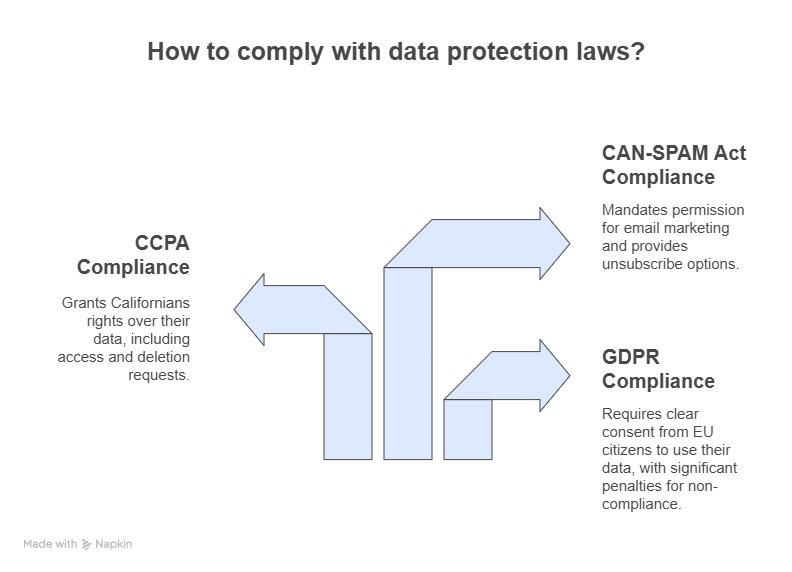
Laws about lead scraping vary a lot from place to place. Knowing the rules where you operate is important. Laws like GDPR, CCPA, and the CAN-SPAM Act affect what you can do. Let's look at some key regulations.
GDPR (General Data Protection Regulation)
GDPR impacts lead scraping in Europe. It focuses on protecting the data of EU citizens. You need clear consent to use their data. If you don't have permission, you could face big fines. Complying with GDPR is very important.
CCPA (California Consumer Privacy Act)
CCPA protects the data of people in California. It gives them rights over their data. They can ask to see what data you have. They can also tell you to delete it. If you scrape data of Californians, you must respect these rights.
CAN-SPAM Act
The CAN-SPAM Act regulates email marketing in the US. It requires you to have permission to send emails. You must also provide a way for people to unsubscribe. Scraped email lists often cause problems under this law. Make sure you follow the rules.
Legal Lead Scraping Practices
Some lead scraping is generally okay. It's usually fine to scrape data that's public. Always respect website terms. Transparency is important too.
Publicly Available Data
Data that is clearly public can be scraped. This includes info on company websites. It also includes directory listings. Public data is meant to be seen. Just because it's online, does not automatically mean it's free to scrape.
Terms of Service and Robots.txt
Always check a website's terms of service. See what they say about scraping. Also, look at the robots.txt file. This file tells bots what they can and cannot crawl. Respecting these rules keeps you out of trouble.
Obtaining Consent
The best way to scrape legally is to get consent. Ask people if you can collect their data. Explain how you will use it. When you have consent, you're on safer ground.
Illegal Lead Scraping Practices
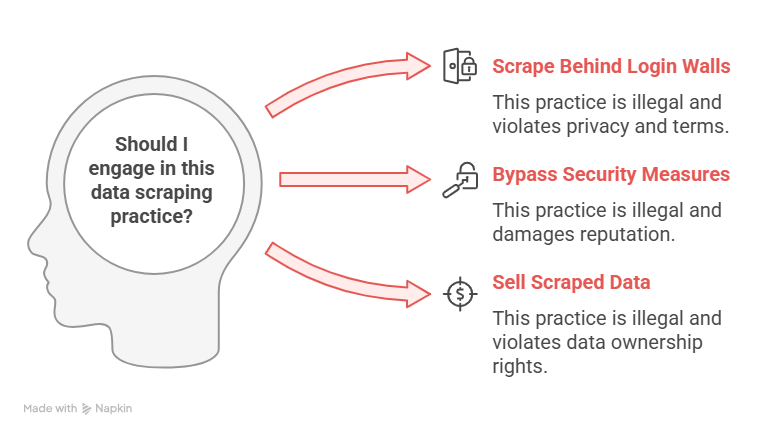
Some scraping practices are almost always illegal. These can lead to serious consequences. Avoid these at all costs.
Scraping Behind Login Walls
Scraping data that requires a login is a no-no. This means scraping data from social media profiles or membership sites. This is usually a violation of terms. It can also be a privacy breach.
Bypassing Security Measures
Don't try to get around security measures. This includes CAPTCHAs. It also means not hacking into websites. These actions are illegal. They can also damage your reputation.
Selling or Distributing Scraped Data Illegally
Selling scraped data without permission is wrong. It's also illegal. People have rights over their data. You can't just sell it without their okay.
Ethical Considerations
Beyond the law, think about ethics. Respect privacy. Avoid being intrusive. Do you act in a way you'd be happy with if roles were reversed?
Respecting User Privacy
Always respect user privacy. Treat their data like you would want yours treated. Don't do anything that feels creepy.
Transparency and Disclosure
Be open about what you're doing. Tell people you're collecting data. Explain how you'll use it. This builds trust.
Avoiding Spam and Unsolicited Communication
Don't use scraped data to send spam. Unsolicited emails annoy people. They can also damage your business. Respect people's inboxes.
How a corporate legal team actually draws the line
The theory above gets sharper when you hear how conservative legal departments handle it in practice. In an r/webscraping thread on the legality of using scraped data, u/HelloWorldMisericord, who worked in data functions at Fortune 100 companies, described where their stuffy legal teams drew the line:
"We've always been fine buying data that was scraped. Keep in mind that: the data was for internal use and internal analysis; [it] was never sold on or shared outside the company."
That is the distinction that matters more than "is scraping legal" in the abstract. Using scraped public data to inform your own outreach, internally, is a very different risk profile from repackaging and reselling it. Keep the data for your own prospecting, do not build a product out of reselling someone else's data, honor opt-outs, and you stay on the defensible side of the line the cautious lawyers themselves use.
Best Practices for Legal and Ethical Lead Scraping
How can you scrape leads the right way? Here are some tips to follow.
Consult with Legal Counsel
Talk to a lawyer. Get advice about what's legal where you are. Laws change. A lawyer can keep you up-to-date.
Implement Data Protection Measures
Protect the data you collect. Use secure storage. Limit who has access. This shows you take privacy seriously.
Regularly Review and Update Practices
Keep your practices updated. Laws about data are changing all the time. Review your processes often. Stay compliant.
Conclusion
Lead scraping can be a powerful tool. But, proceed with caution. Know the laws. Respect privacy. By following these rules, you can use lead scraping responsibly. Prioritise ethical and legal practices.
FAQs
Can I legally grab emails from business websites?
Yeah, usually fine if they're just sitting there on public pages. But man, check their terms first cuz some sites hate scrapers. I once got blocked from a site for a week after they caught my IP scraping! Always screenshot the page where you found the info too.
When does lead scraping cross the legal line?
Public stuff? Generally OK. Hacking login pages or bypassing those annoying CAPTCHAs? Hell no - that's asking for trouble. I knew a guy who tried selling scraped LinkedIn data and got slapped with a massive lawsuit. Just don't go there.
Do I need to care about GDPR if my business isn't European?
Oh god yes! EU doesn't care where your server sits. If you're grabbing European folks' data, you're playing by their rules. My buddy ignored this and got hit with a €20K fine last year. The EU doesn't mess around with this stuff.
Is it OK to cold email people from my scraped list?
Honestly? It's a terrible idea. CAN-SPAM rules aside (which are real), people HATE this. I tried it once and got my domain blacklisted. Plus my open rates were garbage anyway. You're better off with LinkedIn outreach or something less spammy.
How do I keep my lead scraping ethical?
Talk to someone who knows the legal stuff, not just some blog post (including this one lol). Don't be sketchy with people's data - if you wouldn't want it done to you, don't do it. And for real, this space changes constantly. What worked last year might get you in hot water today.





Your next customer is already on X.
Find the people talking about what you sell, message them on a safe schedule, and turn the replies into booked calls.
- Scrape leads from any tweet, keyword or X List
- Auto-DM new followers and people who engage
- Follow-ups that stop the moment someone replies
- Safe daily limits and warm-up, built in
- Every reply tracked through to a booked call
Free Test plan · no credit card.
Related posts
Ready to automate your Twitter DMs?
Start sending personalized DM campaigns to your target audience today. Get higher response rates and more leads than cold emails.