

Contents
Numerous brands still find strong value in Twitter due to the changes that have taken place in society and the advent of new platforms. If you are not using a linked twitter business account in 2026, it seems that it is the only way that you will miss the chance of making your brand visible, engaging, and attracting potential leads. The microblogging platform is fast, friendly to use, and makes your voice heard during live discussions.
Setting up a Twitter for business account is a powerful way to establish your presence. Unlike personal profiles, business accounts allow access to performance analytics, ad tools, and enhanced branding. Whether you’re running a SaaS, a local shop, or an online store, Twitter gives you a free platform to reach your audience consistently.
Why Twitter Business Still Matters in 2026
Even though LinkedIn and Instagram are strong contenders, Twitter is the best for real-time updates and discussions. A strategic twitter business account gives you the power to join trending topics, respond to customer inquiries, and share valuable insights that matter to your followers.
In fact, many users prefer using Twitter for customer service because it's fast and public. This creates an opportunity for brands to show transparency and solve problems quickly. If you want to be seen as approachable and active, this platform works like a charm.
Setting Up Your Twitter for Business Account
Creating your business profile is easy. Choose a Twitter handle that reflects your brand name. Use your logo as the profile image, write a clear and keyword-friendly bio, and add a website link. This basic setup builds credibility and helps you rank in search.
Once your twitter business profile is live, start with a welcome tweet. Pinned tweets are great for highlighting offers, blog links, or product announcements. You can also integrate it with your broader twitter marketing strategy by repurposing content from your blog or newsletter.
Content Ideas to Grow Your Twitter Business
Your followers want valuable, quick content. Share short tips, behind-the-scenes photos, customer stories, or polls. Tweets with visuals or GIFs usually get more engagement. You can also join conversations using relevant hashtags to boost visibility and follower count.
A solid twitter business content plan includes 3–5 tweets per week. Tools like Buffer or TweetDeck help schedule posts so you stay consistent. If you’re stuck, try curating posts from thought leaders or answering FAQs in tweet format. For more ideas, explore high-performing twitter content formats used by your competitors.
Twitter for Customer Service and Brand Trust
Today, many people tweet brands before emailing or calling. That’s why having a twitter business support presence builds trust. Respond quickly to complaints or feedback, and offer help in public or DMs as needed. This approach increases loyalty and visibility.
Even one positive support interaction can create a ripple effect. Users often screenshot great service experiences and share them—giving you organic reach. Using Twitter for customer service helps humanise your brand and builds your reputation fast.
Running Ads with Twitter Business Tools
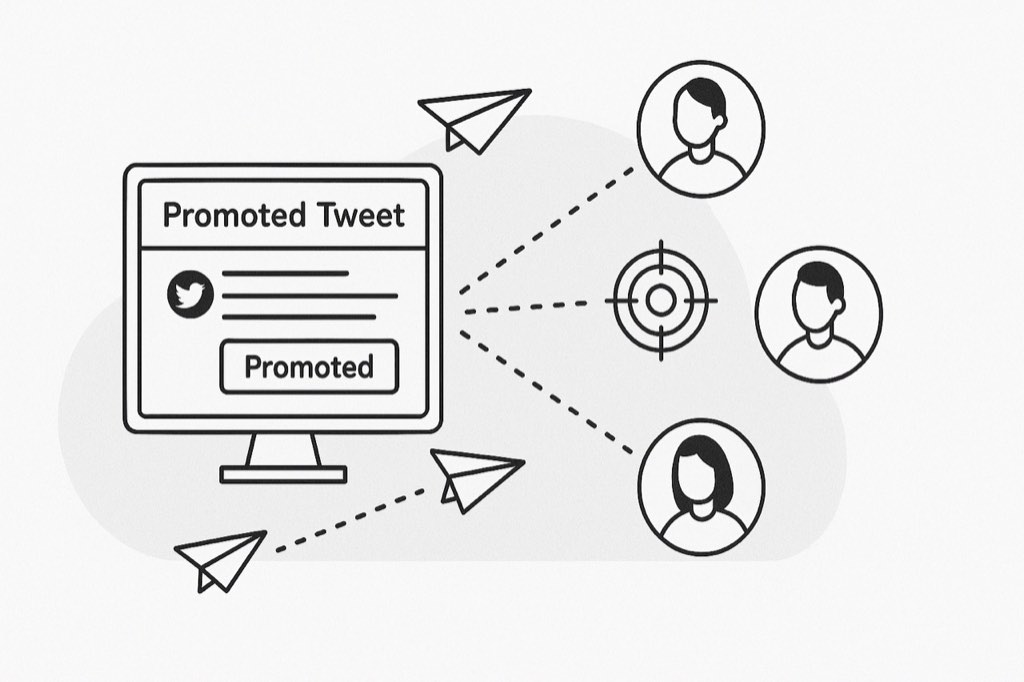
If you want faster growth, Twitter Ads can help. Promote tweets, target followers of competitors, or push traffic to landing pages. The targeting tools are great for niche industries and small budgets.
A promoted tweet can help your twitter business get discovered by new audiences. Track results using Twitter’s native analytics or integrate with tools like Google Analytics. Test different headlines, CTAs, and post times to find what works best for your business.
Using Twitter Analytics to Track Growth
A big benefit of using a twitter business account is access to analytics. You can measure likes, impressions, clicks, and follower growth. Use this data to see what posts perform best, when your audience is active, and which topics drive engagement.
Don’t just look at numbers—listen to what your audience is responding to. Use that insight to improve your twitter marketing strategy and make better content decisions. Every tweet tells you something about what your audience values most.
What to Avoid When Using Twitter for Business

Avoid being too salesy. Twitter is built on conversations. Posting only promotional links will push followers away. Mix in helpful content, questions, humour, and real opinions to make your twitter business account feel human.
Also, don’t ghost your audience. Inactivity can make your profile seem abandoned. Even 1–2 tweets a week keeps your business present and trusted. Stay consistent and reply to comments—even short thank-yous can make a difference.
Connect Twitter With Your Other Marketing Channels
Twitter works best when used with other platforms. You can share blog posts, promote YouTube videos, or link to lead magnets. Use Twitter to drive traffic to your website and generate leads without running ads every day.
Many businesses use Twitter for outreach too. Engaging with a lead’s content before pitching them builds warmth. Your twitter business profile becomes a soft entry point for deeper marketing conversations across email, LinkedIn, or even cold DMs.
Final Thoughts
In 2026, Twitter will still be a key player in the process of brand marketing and customer communication. To maintain visibility, remain relevant, and be trustworthy, a well-done twitter business account is the answer. It brings together customer support, marketing, and community all in one platform.
If your goal is to expand your business without extra costs, then Twitter should be used the right way. Through intelligent content, active and sincere engagement, and a steady flow of information, this platform can become one of your best-selling tools.
FAQs
Is Twitter business still relevant in 2026?
Yes, Twitter business accounts are still effective in 2026. They offer real-time engagement, visibility, and direct access to audiences. With consistent posting and smart replies, businesses can build trust, share updates, and grow their presence without heavy advertising.
What’s the difference between personal and Twitter business accounts?
A Twitter business account includes tools like analytics, ad campaigns, and branded features. It’s designed for public communication and customer engagement, whereas personal accounts are more casual and limited in function for professional or marketing use.
How often should I post on my Twitter business account?
Ideally, post three to five times a week. Include a mix of tips, product updates, and conversations. A consistent Twitter business presence builds audience trust and improves visibility in timelines and search, especially when using hashtags and trending topics.
Can Twitter business accounts run ads?
Yes, Twitter business accounts can run targeted ads using X’s ad manager. You can promote tweets, grow followers, or generate website clicks. Ads support your strategy by reaching users based on interest, behaviour, or keywords within your niche.





Your next customer is already on X.
Find the people talking about what you sell, message them on a safe schedule, and turn the replies into booked calls.
- Scrape leads from any tweet, keyword or X List
- Auto-DM new followers and people who engage
- Follow-ups that stop the moment someone replies
- Safe daily limits and warm-up, built in
- Every reply tracked through to a booked call
Free Test plan · no credit card.
Related posts



Ready to automate your Twitter DMs?
Start sending personalized DM campaigns to your target audience today. Get higher response rates and more leads than cold emails.