
Contents
So your team is drowning in repetitive tasks, and everyone keeps saying "AI is the answer!" But who has time to learn coding? Not you. Trust me, I've been there - staring at Python tutorials at 11 PM wondering if I'd ever figure this stuff out.
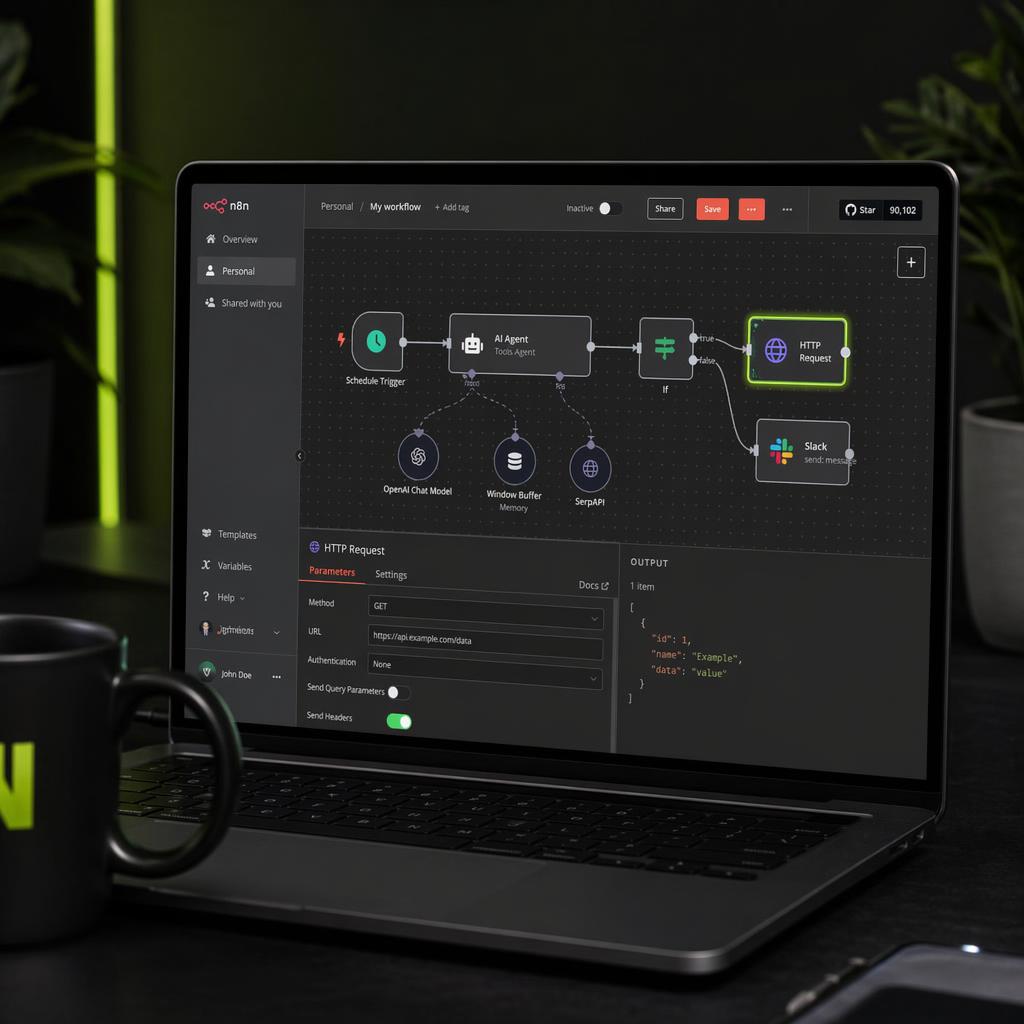
Lucky for us non-techies, no-code AI platforms have exploded onto the scene. These are basically drag-and-drop systems that let regular folks like us build AI solutions without touching a line of code. I've tested dozens with my small marketing agency, and the productivity boost has been nothing short of amazing.
Understanding No-Code AI Platforms
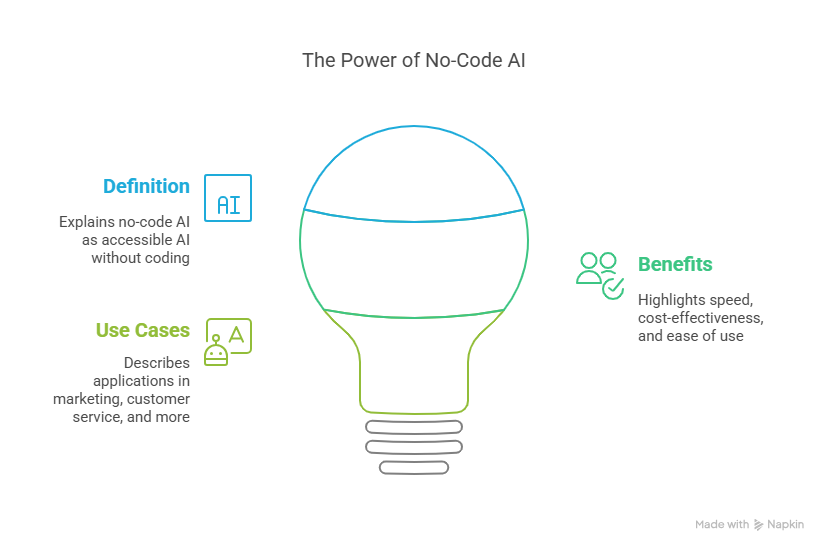
This tech is honestly game-changing for normal businesses.
What is No-Code AI?
In simple terms, no-code AI lets regular people use artificial intelligence without writing code. I was skeptical at first too. But these platforms use visual interfaces where you basically drag and drop stuff instead of programming. It's kinda like putting together digital Legos instead of writing complex formulas. The first time I built something with it, I kept waiting for the part where I'd get stuck - but it never happened. The whole point is that regular business folks can use these tools.
Benefits of Using No-Code AI
There are tons of reasons to jump on this bandwagon. First off, it's WAY faster than traditional development - we're talking days instead of months. The cost difference is huge too. We priced out hiring developers for a custom project and nearly fell out of our chairs. No-code was about a quarter of the price. Plus, now anyone on our team can build stuff - our social media manager created an awesome customer segmentation tool last month! Most importantly though, you can try crazy ideas quickly. If something doesn't work, no big deal, you didn't spend 6 months building it.
Common Use Cases for No-Code AI
We've found so many ways to use this stuff. Our marketing is way smarter now - we built automation that sends different messages based on what customers actually do instead of blasting everyone with the same generic emails. Our customer service chatbot handles the easy questions, which frees up so much time for our team. The data analysis tools have been eye-opening - we spotted trends we'd completely missed before. The image recognition stuff saved us countless hours of manual tagging for products. And our manufacturing clients are obsessed with the maintenance predictions that spot problems before machines actually break down.
Top No-Code AI Platforms: A Comparison
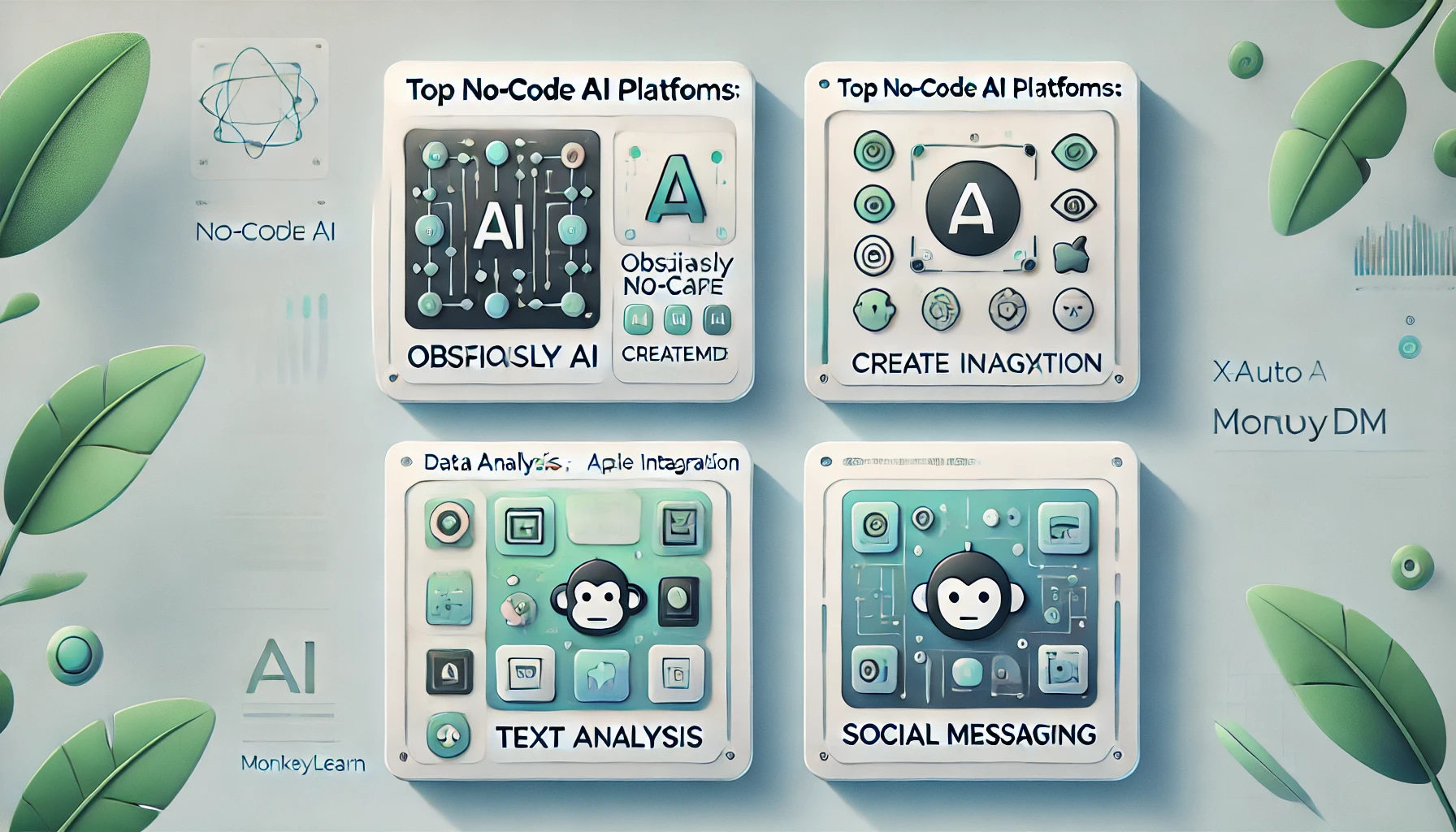
I've tried a bunch of these platforms, some great, some terrible. Here's my unfiltered take on a few:
Obviously
Obviously, AI has been my go-to for quick data projects. The interface doesn't try to be fancy, and their automated machine learning works. Pricing depends on how much you use it and how many predictions you make. It's perfect for smaller companies that need insights without hiring a data scientist.
Pros: Super easy to figure out (took me about 30 minutes), zero coding headaches, and you get results fast.
Cons: You'll hit walls if you need really custom stuff or specialized AI tasks.
createML
CreateML from Apple is pretty cool if you're already in the ecosystem. You build machine learning models right on your Mac. The pricing is bundled with Apple's developer stuff. It's mostly aimed at people making iOS apps.
Pros: Works seamlessly with other Apple products and they take privacy seriously.
Cons: Useless if you're not an Apple shop.
MonkeyLearn
MonkeyLearn is my recommendation for text analysis. It tears through text data to analyze sentiment and pull out topics. Pricing varies based on volume and which bells and whistles you need. It's built for businesses drowning in text data like reviews and support tickets.
Pros: Amazing at text analysis and plugs into other tools easily.
Cons: More niche than the others - not great for general AI tasks.
xAutoDM
I have to mention xAutoDM again here because it fits so perfectly in the no-code AI space. They've focused specifically on solving the social media outreach problem. Their platform lets you create hyper-personalized DM campaigns that feel genuinely human. The AI helps craft messages that resonate with different audience segments and optimizes send times.
Pros: Incredibly user-friendly, integrates with all major social platforms and delivers measurable ROI quickly.
Cons: Focused specifically on messaging automation rather than being a general-purpose AI platform.
Factors to Consider When Choosing a Platform
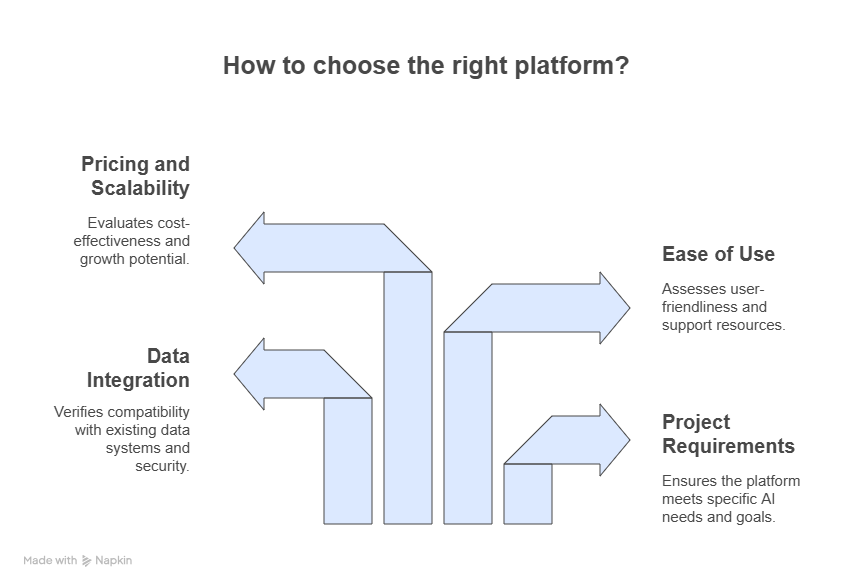
Let me save you some headaches. Here's what actually matters when picking a platform.
Project Requirements and Goals
Get crystal clear on what problem you're actually trying to solve. What specific AI stuff do you need? Set concrete goals so you know if the platform is actually delivering. Are you trying to predict which customers might cancel? Or automatically categorize support tickets? The specific task matters a ton.
Data Integration and Management
This one bit us hard. Make sure the platform can actually work with the data you already have. Can it connect to your CRM or whatever system you use? Data security is non-negotiable - will it protect your customer info? Also check if it has tools to clean up messy data, because trust me, your data is messier than you think.
Ease of Use and Learning Curve
Be realistic about your team's skills. Some platforms claim to be "no-code" but still require serious analytical thinking. Is the interface something your actual team can use without wanting to throw their laptops out the window? Look for good tutorials and documentation. A helpful user community saved our butts multiple times when we got stuck.
Pricing and Scalability
Watch out for pricing surprises. Some platforms look cheap until you start adding users or features. Can the platform grow as your needs get more complex? We started with a basic plan on one platform and quickly outgrew it, forcing us to migrate everything. Total nightmare.
Real-World Examples of No-Code AI Success
Let me share some stories from businesses like yours.
Case Study 1: Improved Customer Service
A local insurance company was drowning in basic customer questions. They set up a no-code AI chatbot that handled the routine stuff like policy questions and claim status updates. Their response times dropped dramatically, and customer happiness scores jumped by 25%. The support team finally had time to handle the complex claims that actually needed human judgment.
Case Study 2: Streamlined Marketing Automation
My friend's e-commerce business was sending the same boring emails to everyone. They used no-code AI to analyze purchase history and browsing behaviour, then created personalized email campaigns. Sales shot up 15% in the first month. The best part? It took just one weekend to implement.
Getting Started with No-Code AI
Ready to dive in? Here's how to start without drowning.
Identifying Your First AI Project
Don't boil the ocean. Pick something small but useful. Low-risk is key for your first project while you're still figuring stuff out. Maybe automate a repetitive data task that's driving someone crazy, or build a simple chatbot that answers your 5 most common customer questions.
Building a Proof of Concept
Don't aim for perfection - just build something that kinda works to prove the concept. My first AI project looked terrible but still showed enough value to get everyone excited. You need to see if your idea works in the real world with your actual data.
Scaling Your No-Code AI Implementation
Once you get comfortable, start expanding. Think about how your AI tools can talk to your other systems. And keep an eye on performance - sometimes what works for a small project breaks when you scale up. We had to completely rethink our approach when our customer base tripled.
Conclusion
No-code AI has been a game-changer for businesses like mine that don't have massive tech teams. By picking the right platform, you can do things that were impossible before, work way more efficiently, and actually compete with bigger players. Stop thinking about it and just try one of these platforms - you'll kick yourself for waiting so long.
Frequently Asked Questions
What is the difference between low-code and no-code AI?
Low-code platforms require minimal coding knowledge with some technical skills needed for customization. No-code platforms use visual interfaces with zero coding required, making them accessible to beginners but potentially less flexible for advanced applications.
Is no-code AI worth it?
Absolutely. No-code AI delivers exceptional ROI for most businesses by dramatically reducing development time, eliminating the need for specialized developers, and enabling quick implementation of AI solutions that would otherwise be inaccessible without significant technical investment.
What can I build with no-code AI?
You can build chatbots, predictive analytics tools, automated marketing campaigns, sentiment analysis systems, image recognition applications, data visualization dashboards, customer segmentation solutions, recommendation engines, and automated workflows—all without writing a single line of code.
How much does a no-code AI platform cost?
Pricing varies widely from free plans with limited features to enterprise solutions ranging from $20-$2,000+ monthly. Most small businesses can find effective options between $50-$500 monthly depending on data volume, features needed, and number of users.
Are no-code AI platforms secure?
Most reputable no-code AI platforms implement enterprise-grade security measures including data encryption, access controls, and compliance certifications. However, always verify specific security features and data handling practices before trusting sensitive business information to any platform.





Your next customer is already on X.
Find the people talking about what you sell, message them on a safe schedule, and turn the replies into booked calls.
- Scrape leads from any tweet, keyword or X List
- Auto-DM new followers and people who engage
- Follow-ups that stop the moment someone replies
- Safe daily limits and warm-up, built in
- Every reply tracked through to a booked call
Free Test plan · no credit card.
Related posts


Ready to automate your Twitter DMs?
Start sending personalized DM campaigns to your target audience today. Get higher response rates and more leads than cold emails.