
Contents
Automated Twitter (X) DM outreach carries real risk, and no honest tool will tell you otherwise. But the risk is largely in your control. Most bans do not come from automation itself. They come from volume and behavior: blasting identical messages, sending faster than a human could, blowing past daily caps, and collecting spam reports. Pace your sending, warm your account up, personalize your messages, and stop follow-ups on reply, and you sharply lower the chance of a flag.
This is the honest version of the answer. We will explain what actually gets X accounts flagged, why automation is not the villain people think it is, the specific behaviors that trigger bans, and the practices that keep your account healthy. Anyone promising you a ban-proof or undetectable tool is selling you a fantasy, so let us deal in reality instead.
The honest answer up front
Can you get flagged for automated cold DMs on X? Yes. Is that risk controllable? Also yes, to a large degree. Think of it like driving. Driving fast is dangerous; driving at a sensible speed is reasonably safe even though nothing on the road is guaranteed. Cold DM automation works the same way. The tool is not the danger. The speed and the recklessness are.
So the useful question is not "is automation safe or not?" It is "which behaviors raise my risk, and how do I avoid them?" Let us break those down.
What actually gets X accounts flagged
X's spam systems are not looking for "automation." They are looking for behavior that harms the experience of the people receiving your messages. The main triggers:
- Volume that is too high, too fast. Sending near or past X's daily messaging caps, especially on a new or unverified account, is the single biggest risk. New accounts have tighter limits than established ones.
- Bursty, non-human timing. Firing 30 DMs in two minutes is something no human does. Perfectly regular intervals are also a tell. Bots have signatures, and timing is one of them.
- Identical copy at scale. The same message sent to hundreds of strangers is the textbook definition of spam, and it is easy to detect.
- Messaging people who do not want it. DMs to people who cannot receive them, or who report and block you, generate the negative signals that get accounts restricted.
- Low reply rate plus reports. A pile of ignored messages combined with spam reports tells X your outreach is unwanted. That combination is far more dangerous than volume alone.
Notice the pattern: none of these are "you used software." They are all "you behaved like a spammer." That distinction is the whole point.
Why automation itself is not the problem
A human sending thoughtful, spaced-out, personalized DMs and a tool doing the same thing at the same pace look similar to X. What looks different is a tool being used to do something no human would: sending faster than humanly possible, at higher volume than a person could, with copy so identical it could only be templated.
This is why "will automation get me banned?" is the wrong framing. Automation that mimics safe human behavior is low risk. Automation used to blast is high risk. The tool is neutral. How you configure and pace it is what matters. If you want the mechanics of doing this at scale without tripping filters, our mass DM strategy guide covers it, and the daily DM limit guide explains the caps you are working within.
What operators who got shut down learned
Practitioners who run automation for a living tend to agree: the tool is not what gets you banned, the behavior is. In a r/sales thread on prospecting, u/SanctumOfTheDamned described how platforms treat aggressive automation and what still works around it:
"Linkedin [is] so hot to shut down automation tools (which, fair enough, to combat spam). I personally follow that motto of warming up and organically engaging with people, and then sending out sequences in batches for prospects ... doing it all multichannel is always better than solely spamming one platform."
The platform is different, the lesson transfers exactly. Platforms crack down on the pattern of spam, not on the fact that software sent the message. The operators who keep their accounts warm up first, engage like humans, send in paced batches, and never lean the entire operation on blasting one channel. That is the difference between automation that scales and automation that gets flagged.
How safe pacing and warm-up lower your risk
If bad behavior is the risk, good behavior is the mitigation. The practices that keep accounts healthy:
- Warm accounts up before outreach. Build a normal history of posting, replying, and real conversations, then ramp sending gradually. A cold, empty account sending DMs is the highest-risk profile there is. Our X account warmup guide walks through the full ramp.
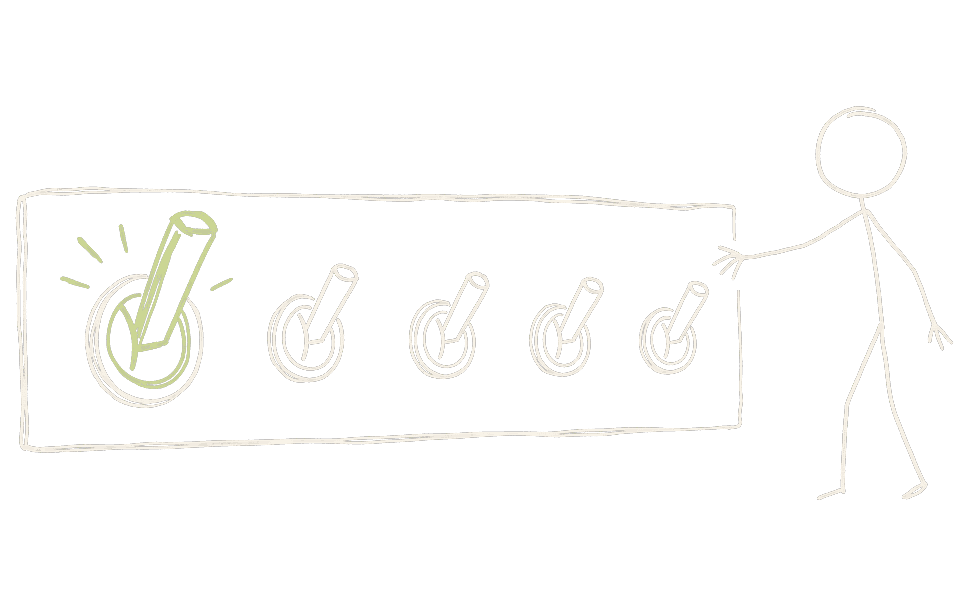
- Stay inside safe daily limits. Send well under X's caps, and lower still for new and unverified accounts. Under-sending is cheap insurance.
- Spread sends across the day. Natural gaps between messages instead of bursts. Human rhythm, not machine rhythm.
- Personalize every message. Merge in real details so no two DMs are identical. Personalization both lifts reply rate and defeats duplicate-content detection.
- Only message people who can receive it. Filtering to DM-able profiles before you send avoids wasted sends and negative signals.
- Stop follow-ups the instant someone replies. Nothing generates a block faster than a "just following up" after someone already answered.
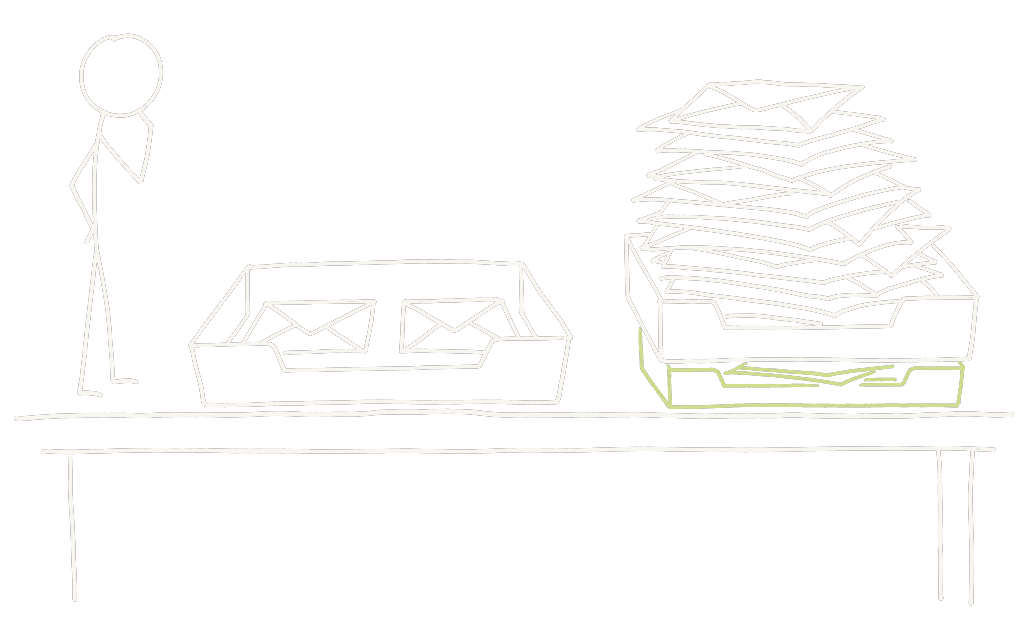
- Scale by adding accounts, not by overloading one. Two accounts each sending a safe amount is far lower risk than one account pushed to its ceiling.
- Watch reply rate as your safety gauge. A healthy reply rate means people welcome your messages. A collapsing one means you are drifting toward spam territory, so slow down.
Do these and you are behaving like a considerate human at scale, which is exactly the profile X is not trying to flag.
Signs your outreach is becoming risky
Watch for these, and pull back if you see them:
- Reply rates falling on messages that used to land.
- DMs bouncing, or a send restriction appearing.
- Reduced reach on your posts, a possible shadowban signal.
- Any warning or temporary limit from X.
If any show up, stop cold sending, return to normal activity for a while, and re-ramp slowly. A short pause protects the account. Pushing through the warning signs is how a flag becomes a suspension.
The claims to distrust
Be skeptical of any tool or guide that promises:
- "Undetectable" or "ban-proof" automation. Nothing is.
- Huge daily DM numbers as a headline feature. High advertised volume pushes you toward X's limits, which is where risk lives.
- Guaranteed reply rates or revenue. Nobody can promise outcomes on someone else's platform.
Honest tooling frames itself around safe-sending practices, not around beating detection. If a product's main pitch is volume or invisibility, treat that as a warning, not a selling point.
The safer way to automate outreach
The takeaway is straightforward: automated cold DM outreach on X is reasonably safe when it mimics careful human behavior, and dangerous when it is used to blast. The difference is pacing, warm-up, personalization, and knowing when to stop.
That is exactly what XAutoDM is built around. It is deliberately optimized for inbox safety and reply rate rather than raw volume. You connect an X account by pasting cookies (no API keys), build a lead list from a profile's followers or a keyword search, filter to people you can actually DM, and launch a campaign that paces every account inside safe daily limits with a warm-up ramp, spreads sends across the day, personalizes each message, and stops follow-ups the moment someone replies. A Do-Not-Contact list and dedupe keep you from messaging the wrong people or the same person twice, and when you want more reach you add accounts instead of overloading one. Growth features on the roadmap follow the same safety-first approach.
To be clear, no tool can promise your account will never be flagged, and we will not pretend otherwise. What good tooling can do is make the safe path the default path. If you want to run outreach without gambling your account, start on the free plan, one account, no card required, and let safe pacing do the heavy lifting.
Frequently Asked Questions
Is automated Twitter DM outreach safe?
Automated Twitter (X) DM outreach carries real risk, and no tool can promise your account will never be flagged. That said, the risk is largely controllable. Most bans come from volume and behavior, not from automation itself: blasting identical messages, sending faster than a human could, ignoring daily caps, and racking up spam reports. Pacing inside safe daily limits, warming accounts up, and personalizing messages sharply lowers the risk.
Can you get banned for sending cold DMs on Twitter?
Yes, you can. X restricts or suspends accounts that send bursts of identical messages to strangers, exceed daily messaging caps, or collect spam reports and blocks. New and unverified accounts are more fragile. You reduce the risk by targeting relevant people, personalizing every message, staying inside safe daily limits, and stopping follow-ups the moment someone replies.
What triggers a spam flag on X DMs?
The main triggers are sending too many messages too fast, sending identical copy at scale, messaging people who cannot receive your DM or who report and block you, and behaving in non-human patterns like perfectly timed bursts. Low reply rates combined with reports are a strong signal. Relevance, personalization, and human-like pacing are what keep you under the radar.
Does warming up an account reduce ban risk?
Yes. Warming up builds a history of normal activity, a complete profile, real followers, and two-way conversations, then ramps sending gradually instead of blasting from day one. That makes your account look genuine to X's spam systems, which reduces the chance of a flag when you start cold outreach. It does not remove risk entirely, but it meaningfully lowers it.
Is any Twitter DM automation tool completely safe?
No. Any tool that claims to be undetectable or ban-proof is overselling. Automation always carries some risk because you are sending at scale. The safest tools are the ones built around safe-sending practices: pacing inside safe daily limits, warm-up ramps, personalization, reply-based follow-up stopping, and scaling by adding accounts rather than overloading one.





Your next customer is already on X.
Find the people talking about what you sell, message them on a safe schedule, and turn the replies into booked calls.
- Scrape leads from any tweet, keyword or X List
- Auto-DM new followers and people who engage
- Follow-ups that stop the moment someone replies
- Safe daily limits and warm-up, built in
- Every reply tracked through to a booked call
Free Test plan · no credit card.
Related posts

Ready to automate your Twitter DMs?
Start sending personalized DM campaigns to your target audience today. Get higher response rates and more leads than cold emails.